


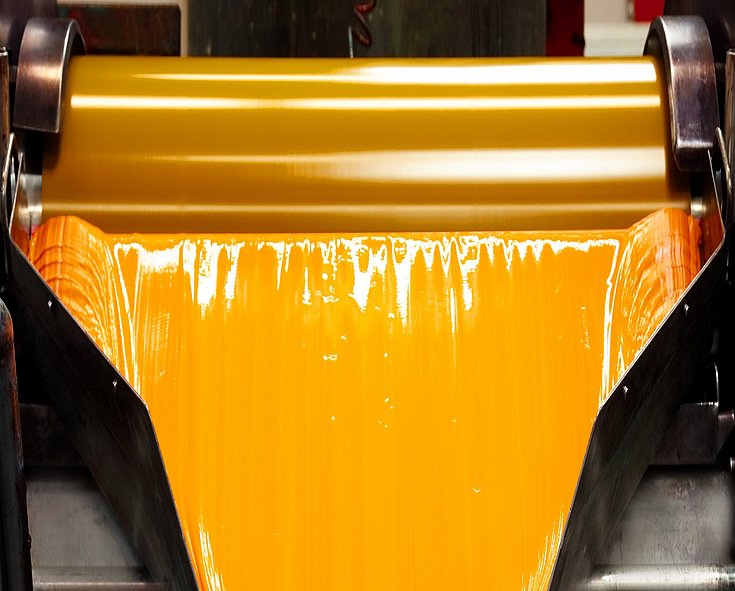
Colors are passion, emotions and personality. At Siegwerk, inks and coatings are our specialty and we use color to bring the packaging and products of our customers to life.
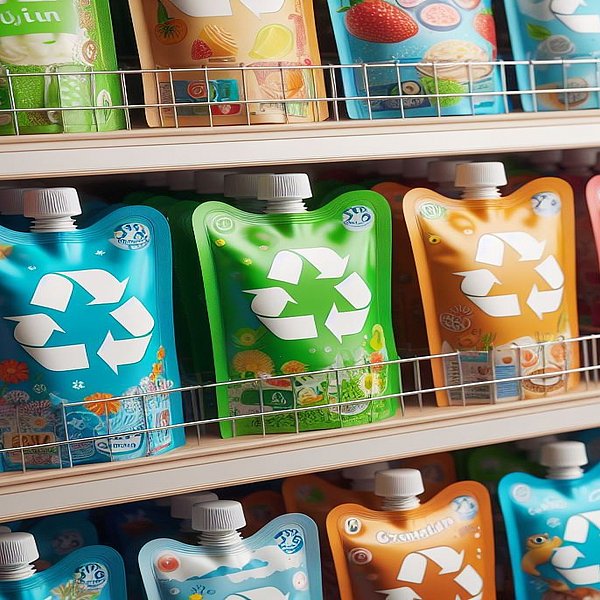
Nitrocellulose (NC) based inks are widely used in packaging due to their fast drying properties and vibrant finishes. However, they come with several challenges:
The new offering combines new developments with Siegwerk’s proven NC-free ink portfolio and includes solutions for lamination as well as surface applications in gravure and flexo printing. The toolbox is designed to enable customers and brand owners – initially in the EMEA region – to realize recyclable flexible packaging across the full-range of application segments.
NC-free inks offer several benefits over traditional nitrocellulose (NC) based inks:
These advancements make NC-free inks a more sustainable and efficient choice for packaging, aligning with the growing emphasis on environmental responsibility.
NC-free inks are printing inks that do not contain nitrocellulose (NC) as a binder. Instead, Siegwerk's NC-free solutions utilize proprietary polyurethane (PU)-based binder technology to deliver excellent print performance while supporting the recyclability of flexible packaging
The packaging industry is increasingly focusing on recyclability, circular economy requirements, and future regulatory compliance. While nitrocellulose-based inks have traditionally offered strong printing performance, they can create challenges during the recycling of polyolefin packaging and may negatively impact recyclate quality. NC-free alternatives help address these challenges while maintaining high packaging and printing performance
Siegwerk's NC-free ink toolbox offers several key advantages:
During the mechanical recycling of printed polyolefin packaging, nitrocellulose can contribute to odor formation, discoloration, and reduced mechanical properties of recyclates. By eliminating nitrocellulose, Siegwerk's NC-free inks help preserve recyclate quality and support packaging designs that align with Design for Recycling principles.
Yes. Siegwerk has developed NC-free surface printing solutions for flexible packaging that offer high heat resistance, strong rub resistance, excellent printability, and sealing performance without compromising packaging functionality.
Yes. Siegwerk's NC-free toolbox includes solutions for both flexographic and gravure printing applications, enabling converters to adopt recyclable packaging solutions across a broad range of production environments.
Siegwerk's technology is based on proprietary, self-developed PU binders designed to replace nitrocellulose while maintaining high print quality, mechanical resistance, heat resistance, and recyclability. The company offers a comprehensive toolbox that covers surface and lamination applications across multiple printing technologies
No. Siegwerk developed its NC-free solutions to meet market expectations for print quality, print speed, machine performance, heat resistance, and packaging functionality. The goal is to enable recyclable packaging without sacrificing performance.
NC-free inks contribute to a circular economy by enabling more recyclable flexible packaging structures and supporting Design for Recycling guidelines. They help brand owners and converters improve packaging sustainability while preparing for evolving market and regulatory requirements.
Three major trends are accelerating market demand:
In addition, supply chain concerns related to nitrocellulose availability have increased interest in alternative technologies.