


In the early 1970’s the market for publication gravure inks in Western Europe seemed largely saturated, whereas Hans Alfred Keller and Dr. Willy Hümmelchen still saw growth opportunities in the USA. The decision to become active on the other side of the Atlantic was made when the Burda publishing house, with which Siegwerk had cooperated closely for years, sought a partner for its gravure business called “Meredith-Burda Inc.”.
Meredith-Burda was a joint venture by the “Burda Druck GmbH” and the printing company “Meredith Corp.” in Des Moines, Iowa. When the company launched production in 1972, it was the first in the USA to print magazines and catalogues in gravure. Letterpress and offset had been standard until then. Among the first assignments of the new publication gravure business were the coloured inner pages of the magazine “Better Homes and Garden” with a circulation of eight million, a 124-page Avon catalogue in 18 million copies and parts of a monthly magazine for the car manufacturers Buick, Chrysler and Pontiac.

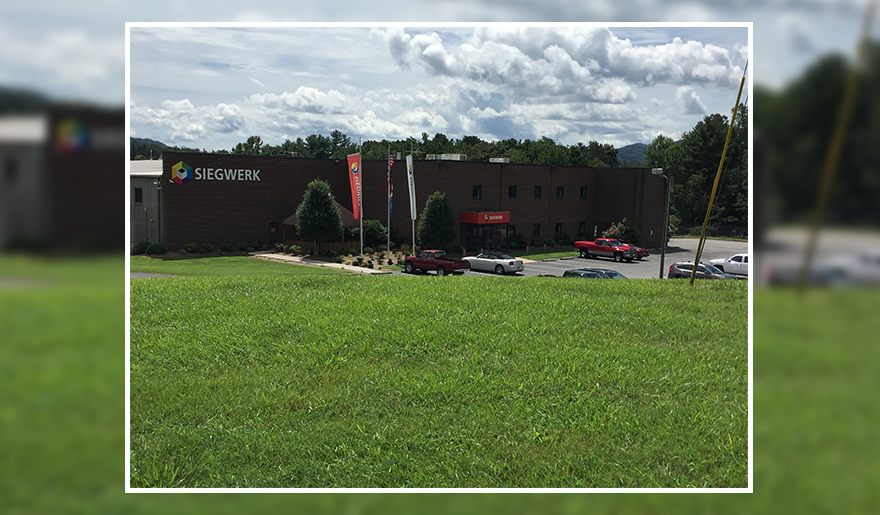
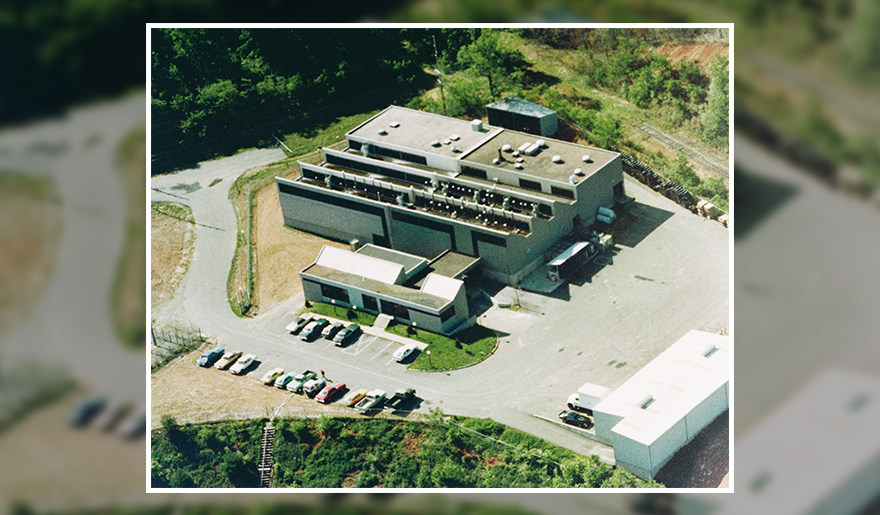
Siegwerk delivered high quality gravure inks for the new business. To supply them fast, the first Siegwerk factory abroad was launched in 1972, the “Siegwerk Inc.” in the immediate vicinity of Meredith-Burda in Lynchburg (Virginia). Meredith-Burda had a 40 percent stake in this joint venture.
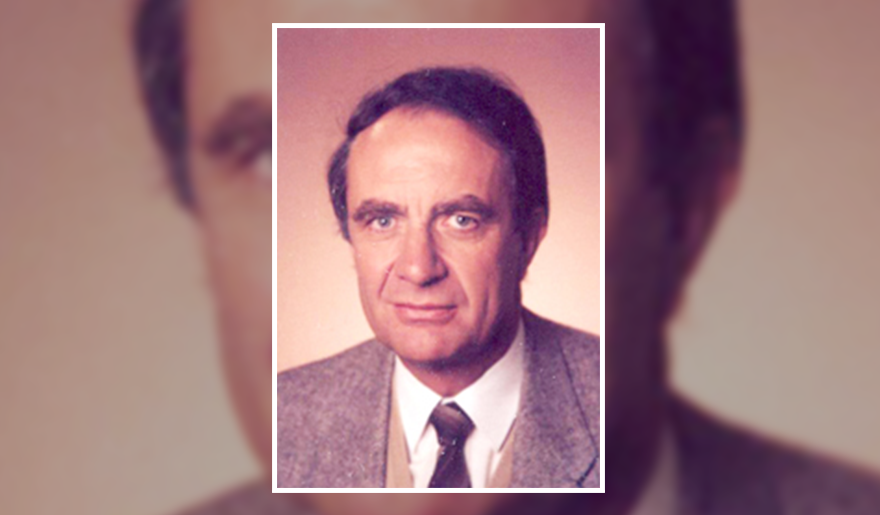
The President of Siegwerk Inc. was the chemist Dr. Klaus Stammen, who had headed the department for liquid inks in Siegburg since 1968. Further staff from Siegburg assumed executive positions in administration and the technical area, while Americans were employed in production. To also ensure fast delivery to Meredith-Burda’s facilities in Des Moines, Iowa, Siegwerk Inc. soon established a second production plant in Greenfield, Iowa. Production by Siegwerk Inc. was exclusively for Meredith-Burda, which ran two additional branches in Newton, North Carolina, and Casa Grande, Arizona – along with the printing facilities in Lynchburg and Des Moines.
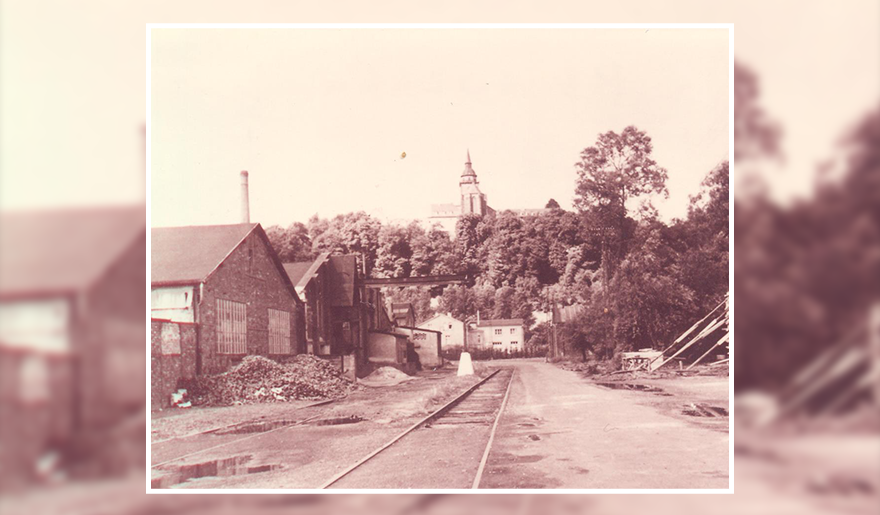
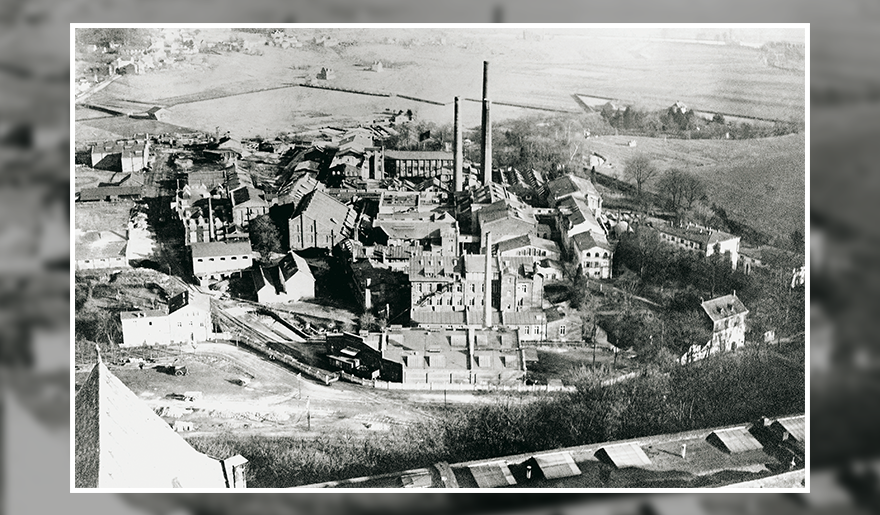
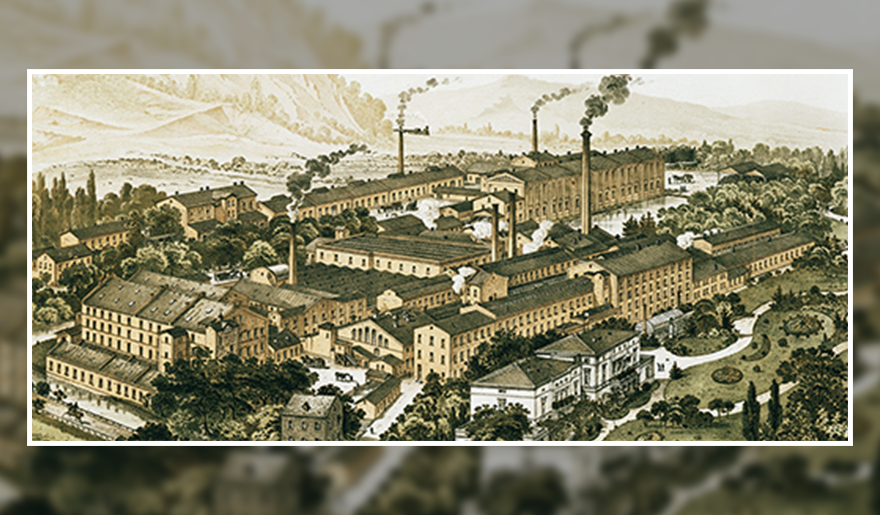
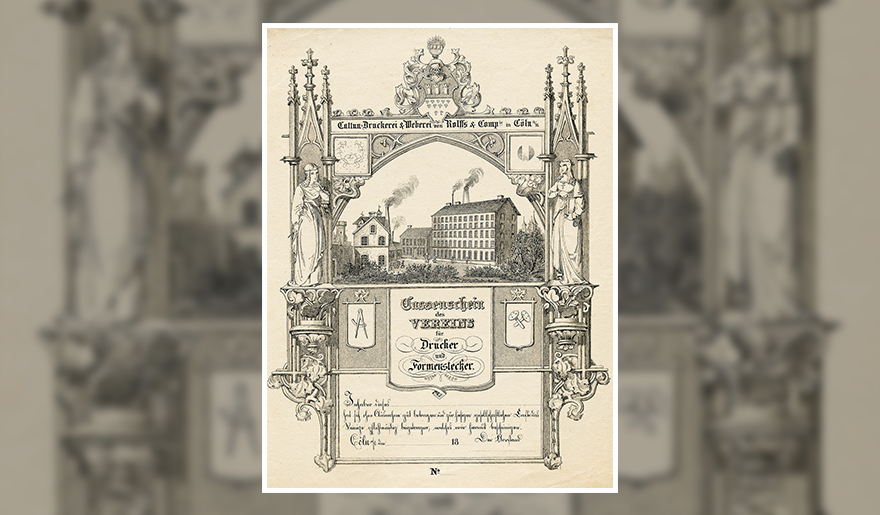
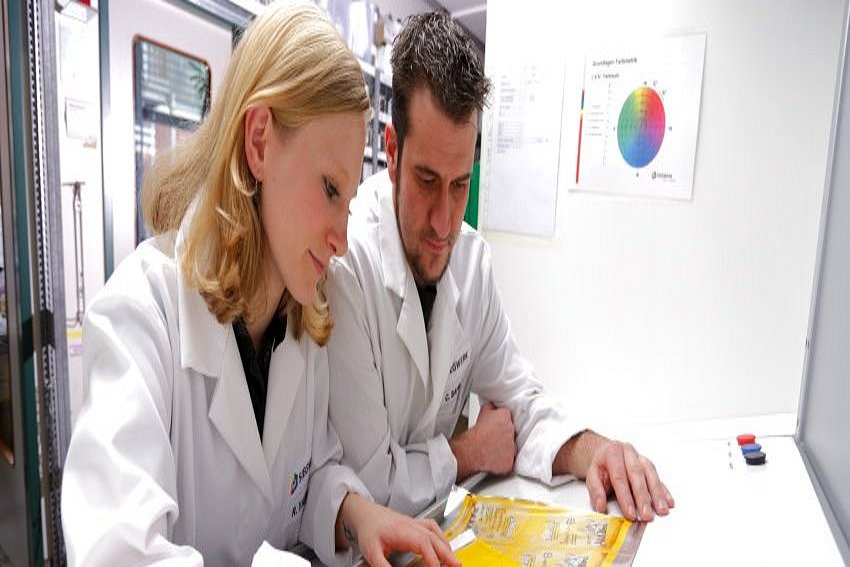
The new start in the USA had implications for Germany, too. With the expansion of the company in North America, management decided to increase production in Siegburg. To that end, Siegwerk bought part of the former Kattunfabrik premises – once used for steel manufacturing by the Siegburger steel mill – back from the Röchling company. The construction of new production premises went hand in hand with intensified quality control, optimised ink programmes and the development of new printing inks. In the publication gravure departement for instance, chemists and laboratory assistants worked in four tightly networked laboratories (testing laboratory, development laboratory, technical laboratory and production laboratory) to asses raw materials and semi-finished products, to develop new products with new raw materials, and to supervise experiments with new production methods.

Along with expansion of the Siegburg plant, management reorganised internal structures. In 1973, the company was divided into six autonomous management areas: administration and sales, procurement and technology, illustration gravure printing, special gravure and flexo printing, and letterpress/flat-bed printing. The respective managers largely acted on their own responsibility, while general management was responsible for strategic decisions.
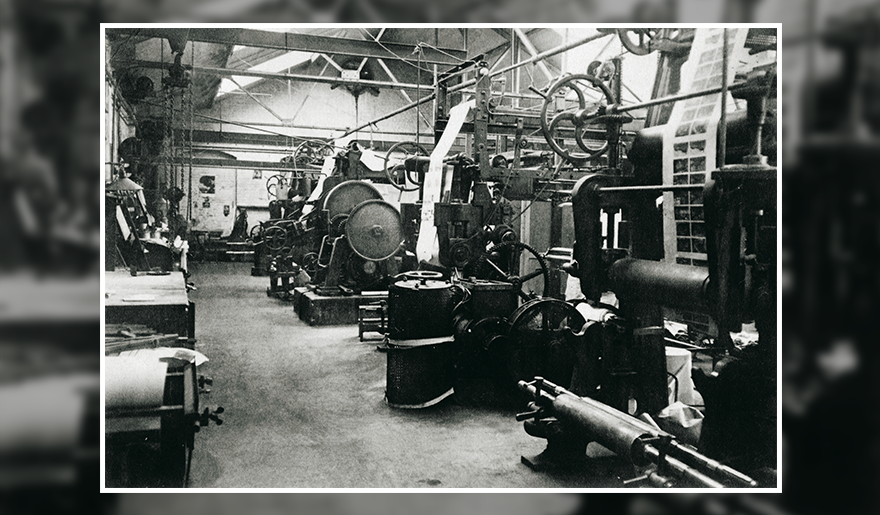
The expansion of the company in the early 1970’s was coupled with further development of its technological competence in the printing sector. To recognise customers’ problems and solve them in a timely fashion, printing inks were tested under real-life conditions. For this, Siegburg installed common printing machines on production scale.

These printing experiments with modern machines allowed Siegwerk to recognise the consequences of digitalisation for printing-ink production early on. For in gravure, computer-controlled rotary machines were already becoming established in the 1970’s, their measuring instruments continuously controlling all important data during the printing process. On the basis of these printing experiments, Siegwerk was able to deliver the inks for such machines.
The rapid developments in the printing sector demanded ever-more specialised expertise. To stay on top of progress, Siegwerk worked with associations of the printing industry and suppliers. At symposiums and lectures, experiences were exchanged and new trends anticipated. Siegwerk staff were particularly active in the European Rotogravure Association (ERA), in which leading printing businesses from Western Europe cooperated to promote the progress of illustration gravure. This work let to the “Gravure Ink Testing Manual” that first appeared in 1981 and soon became a definitive reference. Siegwerk staff like Dr. Klaus Heger were also active in the flexo printing association DFTA.
In the early 1970’s, Siegwerk invested intense research in printing ink chemistry, to improve ink application in publication gravure. This largely concerned etching of the copper coating of gravure impression cylinders. Along with producers of measurement technology, Siegwerk developed various instruments to measure and record etching depth electronically and precisely. The Siegwerk-Etchcontromat marked the turning point between a manual etching process and industrial production of formes in gravure. The device provided electronic control and therefore fine-tuning of the iron chloride bath used in etching.

During the 1970’s, chemical etching of the copper coating of impression cylinders – based on Rolff’s invention and common worldwide – was superseded by the emerging technology of electromechanical engraving. At the same time, chromium-plating of the engraved copper coating became the standard, to protect it from wear as print runs became more voluminous and rotations speed increased. The chrome-plated surfaces of the impression cylinders were harder and therefore more wear-resistant than the old copper cylinders. The mechanically engraved cells had a different volume and different discharging properties, so that less ink was necessary. But since the ink film was now thinner, various intrinsic properties of the gravure inks needed to be re-balanced. Siegwerk developed special gravure inks for the electromechanically engraved impression cylinders – with flow and pigmentation properties adjusted to the new way of printing.
At the end of the 1970’s, electro-mechanical engraving of cylinders was mature enough to allow so called drift-free engraving, meaning that colour-tone stable printing became possible in secondary and tertiary colours, too. Meeting this challenge was imperative. Ink producers, notably Siegwerk, made considerable contributions that not only balanced the peculiarities of the new engraving method, but also allowed drastic adaptation of repro-technical work steps geared to the goal of drift-free engraving – by revival of the technology of partial ”under colour removal” (UCR).

One immediately visible and noticeable effect for printers at their machines was the inevitably greatly reduced printing viscosity of inks, which ink producers needed to implement without loss of colour strength. Printing viscosity decreased so much that it was only two “seconds” longer than that of pure toluene. Also, the electromechanically engraved cells rendered an ink volume that was significantly lower than via conventional etching. This reduction of ink application and hence inking intensity, along with that caused by lower viscosity, needed to be absorbed by radical changes in the printing ink system.
Siegwerk met these tough demands with its innovative power. Technological customer support also matched these dynamic developments – from appraisal of gravure formes to measurement-technological advice on viscosity measurement/control and ink cooling in increasingly fast printing machines, which was now necessary for reasons of uniform viscosity and minimisation of wear.
In the mid-1970’s, printing machines in illustration gravure were already running at 55,000 rotations an hour with paper webs around three meters wide. Cylinder circumference reached dimensions that allowed speeds of 16 meters per second. To combat the wear problems that threatened printing formes under the strain of the scraper process at such speeds, further “tricks” on the part of ink producers were required. To address respective and other physical aspects emerging in practical ink/printing-machine interaction, Siegwerk established a physics laboratory. There, Dr. Rudolf Griebel was engaged in basic research and could help printing companies with his expertise.

As in gravure, machine speeds in the offset sector were developing in the mid-1970’s. While ink producers needed to adapt inks to new technologies in forme manufacture and machinery in gravure, the challenge in offset printing was to adjust inks’ drying properties to new types of paper. For this reason, Siegwerk’s research focussed on rapid drying of offset inks. Laboratories worked on two approaches: a physical drying process using infra-red light on the one hand, and a chemical one employing ultra-violet rays on the other.
As early as 1976, Siegwerk was able to present results of its research in the trade journal “Druckwelt” (printing world): the IRO-77 inks were special offset inks which dried much faster via heat-intensive infrared radiation. Used on paper and cardboard of standard absorbency, infrared-irradiated IRO-77 inks allowed further processing of printed products within 15 to 60 minutes of printing. This resulted in economic advantages, especially when smaller quantities of material were printed on four-colour presses. Further assets were increased gloss, better colour contrast and very good abrasion resistance. Additionally, printers could largely eliminate dry spraying – Siegwerk recommended using 90 percent less powder. Even when IRO-77 inks were not subjected to infrared rays, their drying and printing properties were equal to those of conventional offset inks.

Higher quality inks also boosted revenue in gravure and offset printing. Major changes in the packaging industry – including many new printing materials and diverse changes in processing conditions – led to increasing demands regarding colour fastness. Traditional aniline inks for flexo printing no longer sufficed in terms of quality. Modern packaging demanded inks with low migration rates, better fastness properties and improvements due to modern high-speed packaging machines.

In the 1970’s, Siegwerk worked with its customers to develop pigmented gravure and flexo printing inks with high colour intensity, good durability/fastness properties and excellent printing qualities – for example, the path-breaking vitro-cellulose inks with high seal consistency for surface printing, PV inks for sterilization applications on polyester and polyamide, and PVB inks for laminations on polyolefin applications, along with various ink systems for the needs of companies printing on aluminium foil. These inks were used to print packaging for the pharmaceutical industry, for food trays on airliners or for pet food – to cite some examples. Siegwerk’s two component inks soon also became very successful and are used to this day – for instance for packaging for potato crisps, the aluminium tops of yoghurt containers or for coffee packaging.